Types and Effects of Seaweeds
Seaweeds, which refer to all the algae from the sea, are classified into brown algae, green algae, and red algae according to the depth and color of the growing sea.
Seaweeds contain dietary fiber, amino acids, unsaturated fatty acids, and iodine, which are effective in preventing constipation, various adult diseases, and anemia.
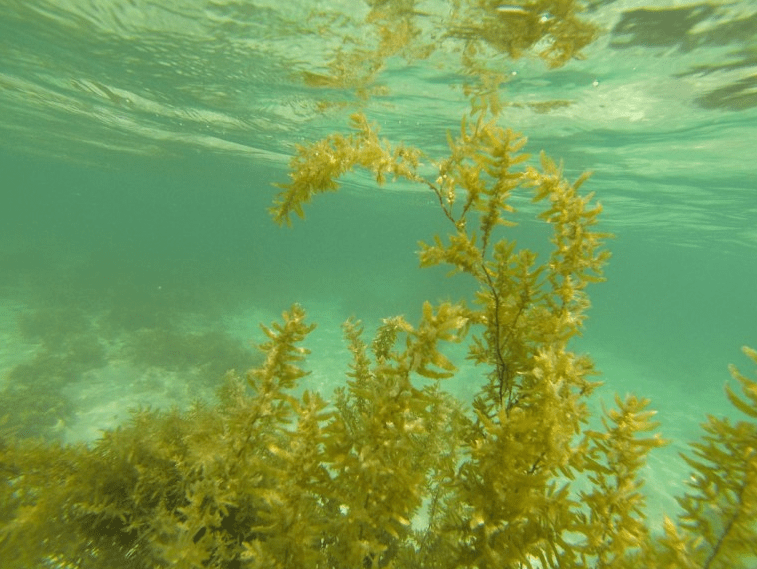
Types and Effects of Seaweeds
Seaweeds have brown algae and chlorophyll, which are used as raw materials for iodine such as kelp, seaweed, and tots, so there are green algae such as auditory, blue, and hakam that are green.
In addition to chlorophyll, red algae and blue algae are contained, so there are red or purple laver, agar, haeincho, and buldeung grass.

Seaweed, called the vegetable of the sea, is a representative alkaline food that is rich in protein, sugars, vitamins and minerals.
Alginic acid and fucoidane contained in brown algae prevent the absorption of cholesterol and fat and lower blood cholesterol levels by excreting bile acids.

It has the effect of clearing blood and suppressing the formation of free radicals, and abundant dietary fiber activates bowel movement to prevent constipation.
It helps prevent adult diseases such as high blood pressure and arteriosclerosis and various cancers, and contains iron to prevent anemia.
The dietary fiber of algae is effective in cleaning the intestines and helps excrete cholesterol, and alginic acid prevents blood sugar from rising rapidly by delaying the movement of food from the stomach to the small intestine.
Phucoidan, which is contained in brown algae, prevents blood clots, and inorganic ingredients are rich in iodine, which prevents thyroid disorders and increases metabolism.

Seaweed is rich in vitamin A to protect vision, and seaweed is helpful for osteoporosis, constipation, obesity, and thyroid diseases, and prevents food poisoning and softens hair.
Kelp prevents harmful heavy metals from being absorbed into the body, releases cholesterol, protects the gastric mucosa, promotes growth and development, has anti-cancer effects, and prevents radiation from being absorbed into the body.

 godfather7